Custom Hotel Linens & Branding: What to Customize, What to Skip, and What It Costs
Introduction
Walk into a boutique hotel and you may notice the towels have a small embroidered logo, the robes carry a monogram, and the duvet covers use a color that matches the lobby. Those details don’t happen by accident. They’re the result of a deliberate decision to make linens part of the brand.
Custom linens can strengthen a hotel’s identity, but they also add cost, lead time, and inventory complexity. A custom order that’s poorly planned can leave you with expensive stock you can’t reuse if the brand changes.
This guide explains the main customization options, when each one makes sense, how to think about the cost, and what to check with any supplier before you approve a sample.
Why Hotels Customize Linens
Customization serves three main purposes:
- Brand recognition. A consistent color palette and logo make the room feel like part of a specific property.
- Guest perception. Thoughtful details, such as a colored border or a monogram on a robe, signal care.
- Loss prevention. Branded items are less likely to be taken as souvenirs, and easier to spot when they turn up in the wrong place.
Customization is not automatically worth it. A 40-room business hotel that rotates linens quickly may get more value from standard white goods with a simple logo tag than from full custom colors.
The Main Customization Options
1. Color
Colored linens are the most visible choice and the most affordable form of customization. Colored fabric is usually dyed at the yarn or fabric stage, so it may carry a small price premium over white, and minimum order quantities can be higher.
Practical considerations:
- Ask for a dye lot sample and compare it against your brand color under daylight and warm room lighting.
- Confirm colorfastness after washing. Deep colors such as navy, burgundy, and dark green show fading and lint more readily than light tones.
- Remember that repeat orders may not match the original shade exactly. Order enough stock in one batch to cover the planned life of the item.
2. Woven Borders and Stripes
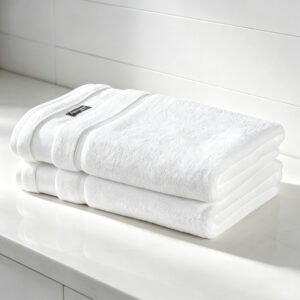
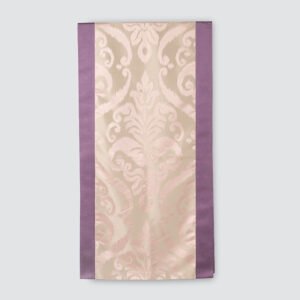
Woven or jacquard borders are built into the fabric during weaving. They’re durable, look high-end, and don’t wear off in the wash. Because they require a custom weave setup, they usually suit larger orders.
3. Embroidery
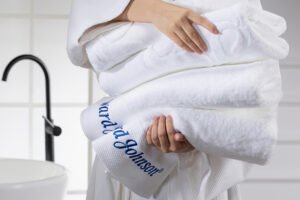
Embroidery adds a logo or monogram after the fabric is finished. It’s a common choice for bath towels, robes, pillowcases, and duvet covers.
What to check:
- Stitch count and size. Small, dense logos can pucker or fill in when washed at high temperatures. Ask for a washed sample, not just a dry one.
- Placement. Standard placement should be consistent across items so housekeeping can find it quickly.
- Thread type. Polyester thread generally holds color and survives commercial laundering better than rayon.
- Backing. Heavier towels and robes need more stabilizer; a logo that looks crisp on a light sheet may look heavy on a thick towel.
4. Printed Logos
Printing is faster and cheaper than embroidery for simple designs but can crack or fade with repeated commercial washing. It’s better suited to low-cost items, promotional products, or linens with a short expected life. Ask for wash-test results before committing.
5. Woven or Sewn-In Labels
A small woven label on a sheet or towel is one of the least expensive ways to mark inventory and reinforce identity. Labels also help with inventory control because they can be ordered in different colors for different room types or floors.
Choosing the Right Mix
Most hotels don’t need every option on every item. A practical approach is to match the level of customization to the item’s visibility and wear:
| Item | Common Customization | Why |
|---|
| Bath towels | Woven border or embroidered logo | Visible in the bathroom; survives frequent washing |
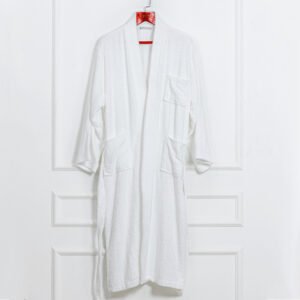
| Robes | Embroidered logo or monogram | High-perceived-value item; guests notice it |
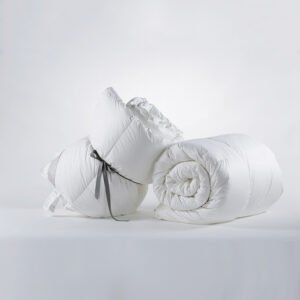
| Duvet covers | Color or woven border | Defines the room’s color palette |
| Sheets | Color or sewn-in label | Often white is preferred; label for inventory |
| Pillowcases | Matching color or subtle logo | Keeps the bed cohesive |
| Hand towels and washcloths | Color or simple label | Lower visibility; lower cost |
| Bath mats | Color match | Ties the bathroom together |
Understanding the Cost
Custom work adds cost in several places. Rather than relying on a generic percentage, ask your supplier to break down each line item.
Typical cost drivers:
- Setup fees. Custom weaves, embroidery digitizing, and screen or print setup are often one-time charges.
- Minimum order quantities. Custom colors and designs often require higher MOQs than standard stock.
- Lead time. Custom production typically takes longer than standard production. Plan for additional weeks, not days.
- Sampling. Expect to pay for pre-production samples, and ask whether the sample fee is credited against a bulk order.
- Reorder risk. If the brand changes or the color is discontinued, leftover stock may have little resale value.
An Illustrative Calculation
The figures below are examples for planning only. Your actual quotes will depend on quantity, fabric, design, and market conditions.
Suppose a 100-room hotel is deciding between standard white bath towels and embroidered towels with a logo:
| Item | Standard White | Embroidered Logo |
|---|
| Unit price (example) | $8.00 | $9.50 |
| Setup fee (example, one-time) | $0 | $150 |
| Initial order: 300 towels | $2,400 | $2,850 + $150 setup = $3,000 |
| Difference | | +$600 |
In this example, the custom option costs $600 more up front. Whether that’s justified depends on how often the towels are replaced, how much the branding matters to your guests, and whether the logo supports your pricing or marketing. A useful question to ask: “Would I pay $600 a year to make this property more recognizable and memorable?” If the answer is yes, customization makes sense. If not, a simple woven label may give you most of the inventory benefit for less.
Questions to Ask Before You Approve a Sample
Use this checklist with any custom linen supplier:
- Can you show a washed sample, not just a dry one? Ask for samples that have been through at least 20 commercial wash cycles, or request a wash-test report.
- What is the fabric weight (GSM) of the sample, and will the final order match it?
- What is the color tolerance between dye lots? Ask for the supplier’s stated tolerance in writing.
- What is the embroidery or print durability rating after washing? Ask what testing method they use.
- What are the setup fees, MOQ, and lead time? Get them in one written quote.
- Is the sample fee credited against the bulk order?
- Who owns the artwork and digitized files? Make sure your logo files are returned to you if you change suppliers.
- What is the reorder process, and how long does a reorder take? Plan stock levels around this.
- Can the supplier store reserve stock for you? This can reduce the risk of running out of a custom item mid-season.
- What is the warranty on custom defects? Check whether misprinted or mis-embroidered items are covered.
Common Mistakes
Choosing a color before testing it in your own laundry. Your water, detergent, and temperatures affect color results. Test before committing.
Ordering a small logo on heavy towels. Logos can look lost or distorted on thick fabric. Check proportions with a physical sample.
Changing brand colors after ordering. If your brand refresh is planned for next year, avoid a large custom order now.
Forgetting about replacement. Custom items must be replaced with matching items. Plan the first order so it lasts the intended life of the item.
Skipping the washed sample. A dry sample can look perfect and still fail after 50 cycles.
When Standard Linens Are the Better Choice
Custom linens are not always the right answer. Standard white goods are often a better fit when:
- The hotel is in a fast-changing market or may rebrand soon.
- Budgets are tight and guest expectations focus on cleanliness and comfort rather than design.
- Linens are used in back-of-house areas or staff facilities.
- Volume is low and MOQs for custom items would create excess stock.
In these cases, a simple woven label or a small sewn-in tag can deliver most of the inventory-control benefit at a fraction of the cost.
Working With Galaxy Hotel Supplies on Custom Orders
Galaxy Hotel Supplies can discuss custom color, woven, embroidery, printing, and label options for hotel linens. Before any custom order, we recommend:
- Sending your logo files and brand color references so we can prepare a sample.
- Requesting a physical sample for review, including a washed sample where possible.
- Confirming MOQs, setup fees, lead times, and reorder terms in writing.
Because specifications, certifications, and availability vary by product and order, please ask for current documentation for any item you plan to buy.
Request a custom linen quote → Browse standard linen products →
Related Reading
Questions about custom hotel linens? Email us at info@hotelsupplieschina.com