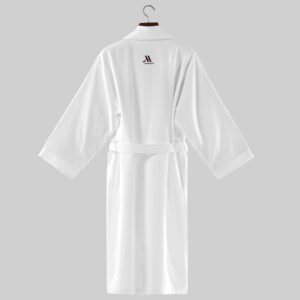
Hotel Bathrobes: Fabric, Weight, Sizing, and How to Choose
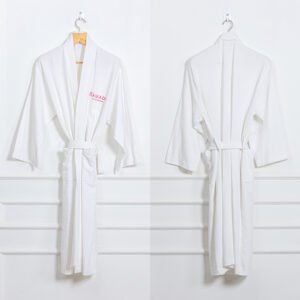
Hotel bathrobes explained: terry cloth vs waffle weave, GSM, sizing, seams and belts. Learn how to choose robes for your property and what to check before approving a sample.

Ask a guest what they remember about a hotel bed, and the answer is often the pillow. Too flat, too firm, or too warm, and a good night’s sleep becomes harder to get. Pillows and duvets shape sleep quality more than most other textiles in the room, yet they are often treated as an afterthought in procurement.
For a hotel buyer, the choice comes down to three questions: what the fill is made of, how it performs over time, and how often it needs replacing. This guide walks through each one, explains the terms suppliers use, and offers a checklist for evaluating samples.
 The Two Families of Fill
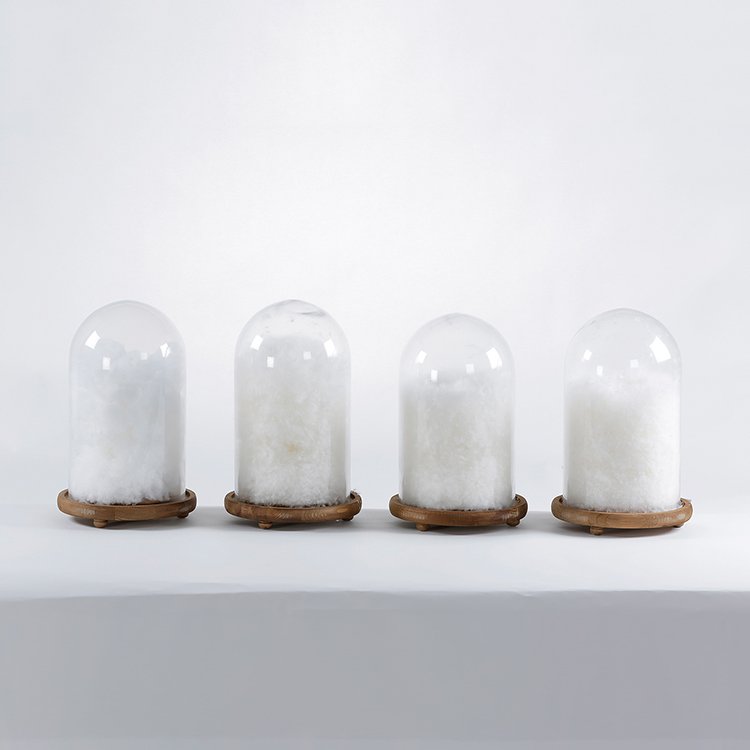
Every pillow or duvet is either natural fill or synthetic fill. Each has trade-offs.
Down is the soft undercoat of waterfowl. Feathers are the firmer outer plumage, often mixed with down. Blends are common, and the ratio affects both price and feel.
Strengths:
Considerations:
Synthetic fills are made from polyester fibers, often engineered into fine strands or clusters to mimic the softness and loft of down.
Strengths:
Considerations:
For many hotels, the practical answer is to offer both: a natural-fill option for guests who want it, and a hypoallergenic synthetic option for guests who need it. Many properties place hypoallergenic pillows in the room by default and offer alternatives on request.
 Understanding Fill Power
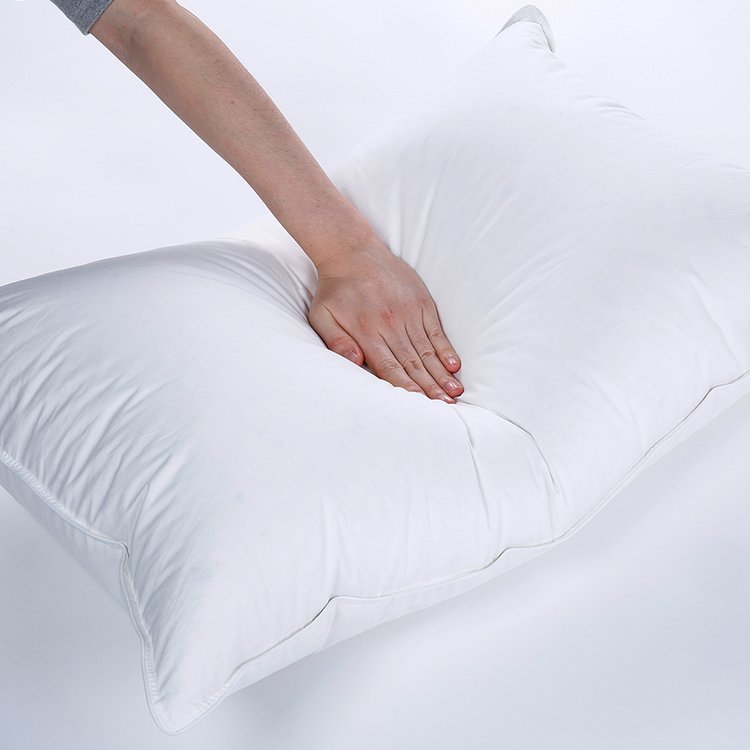
Fill power measures the loft of down. It describes how much space one ounce of down occupies when compressed under standardized conditions. A higher number means the down traps more air per unit of weight, which generally means more loft and warmth for the same weight.
Important points about fill power:
When comparing samples, ask for the fill power, fill weight, and the test method in writing. A reputable supplier will provide these documents without hesitation.
The fill is only part of the product. The shell fabric and the stitching determine how well the pillow or duvet performs in a commercial laundry.
Shell fabric. Cotton and cotton-blend shells are common. Look for a tight weave that keeps fill from migrating through the fabric. Thread count is a weak indicator on its own; ask about weave type and fabric weight instead.
Baffle or box construction. Duvets are often built with baffle boxes, which are internal fabric walls that stop the fill from shifting. Pillows may use a simple envelope or a more structured construction. Good construction prevents lumps and uneven loft.
Stitching. Check that seams are double-stitched or reinforced, especially at corners and where the fill is inserted. Stitch failures are a common source of early replacement.
Ticking. The inner cover of a pillow, often called the ticking, should be dense enough to hold the fill. Ask about ticking density and whether it is compatible with your washing method.
Guests have very different sleep preferences, so many hotels offer more than one pillow type. Common choices include:
| Pillow Type | Typical Use | Notes |
|---|---|---|
| Medium-loft down or down-alternative | Default in most rooms | Suits most sleeping positions |
| Soft or low-loft | Side sleepers may prefer it, depending on preference | Usually easier to compress |
| Firm or high-loft | Back sleepers or guests who prefer more support | Holds shape longer under heavy use |
| Hypoallergenic synthetic | Guests with allergies | Often the default for allergy-friendly rooms |
Hotels that offer pillow menus usually keep a small number of options and label them clearly. Too many choices can slow down housekeeping and complicate inventory.
 Duvet Weight and Season
Duvet weight, usually expressed as grams per square meter of fill (or as a tog rating in some markets), determines how warm the duvet feels. Many hotels offer a single medium-weight duvet year-round, with lighter options for warm climates and heavier options for colder regions.
Practical considerations:
Ask suppliers for the fill weight and the shell specification for each option, rather than relying only on a warmth rating.
Pillows and duvets are harder to launder than sheets. A few principles help them last:
Wash with care. Use commercial-capacity machines with enough room for the item to move. Overloading prevents rinsing and can damage the fill.
Dry thoroughly. Insufficient drying is one of the most common causes of mildew, odor, and clumping. Use a dryer with appropriate heat and rotation, and check the core of the item, not just the surface.
Fluff and rotate. Regular fluffing restores loft, and rotating pillows or duvets spreads wear evenly across inventory.
Check before reuse. Inspect for stains, lumps, torn ticking, and odor. Items that fail inspection should be pulled from service.
Plan replacement by performance, not just age. Track how often each item is pulled for loft loss, odor, staining, or damage. A simple tracking log helps you decide when a batch needs to be replaced.
Replacement timing depends heavily on the product, the laundry process, and how many times it is washed. Ask your supplier for their expected service life based on commercial laundering, and request a wash test before committing to a large order.
 An Illustrative Replacement Plan
The numbers below are examples for planning only, not performance guarantees.
Suppose a 100-room hotel buys 200 pillows and 100 duvets for its rooms, and holds an additional 10% spare stock. The hotel decides to replace pillows in one rotation every 18 months and duvets every 36 months, based on the supplier’s wash-test report and its own inspection log.
| Item | Quantity | Replacement Interval (example) | Average Annual Replacements (example) |
|---|---|---|---|
| Pillows | 220 (incl. spares) | 18 months | About 147 per year |
| Duvets | 110 (incl. spares) | 36 months | About 37 per year |
Planning this way lets the hotel budget replacements in advance and avoid emergency purchases. The actual interval should be confirmed with your own laundry results after the first rotation.
Use this checklist with any pillow or duvet supplier:
Choosing based on fill power alone. A high number does not guarantee comfort, durability, or suitability for commercial laundering.
Ignoring allergy needs. Offering only down products excludes some guests. Keep a hypoallergenic option available.
Skipping the wash test. Products that look excellent when new can clump or lose loft after repeated commercial washing.
Mismatching pillows and duvets. Mixing products from different batches can create visible differences in loft and color.
Underestimating drying time. Pillows and duvets that are not fully dry can develop odor and mildew quickly.
Galaxy Hotel Supplies can discuss fill types, shell fabrics, and sizes for hotel pillows and duvets, and can provide samples for evaluation. Before placing an order, we recommend:
Because specifications and available documentation vary by product, please request current information for any item you plan to purchase.
Request pillow and duvet samples → Browse hotel bedding products →
Questions about hotel pillows and duvets? Email us at info@hotelsupplieschina.com
Hotel bathrobes explained: terry cloth vs waffle weave, GSM, sizing, seams and belts. Learn how to choose robes for your property and what to check before approving a sample.

A practical guide to restaurant and banquet linens: fabric blends, table sizing, napkins, table skirting, and questions to ask before ordering.

Reflecting on a successful exhibition in Moscow, ELIYA & Galaxy Group highlights our commitment to long-term partnerships, client feedback, and mutual trust.

A recap of our bustling third day at PIR Expo 2026 in Moscow, featuring media interviews, visitor check-ins, and luxury hotel textile displays.