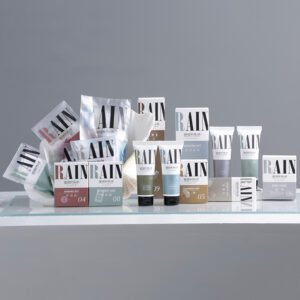
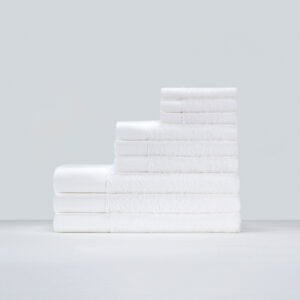
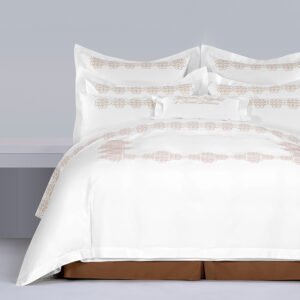
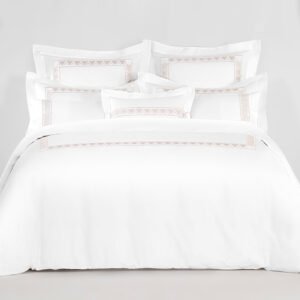
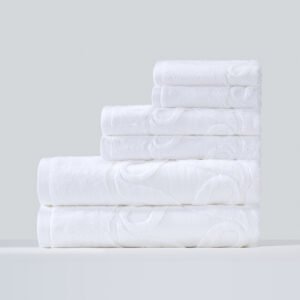
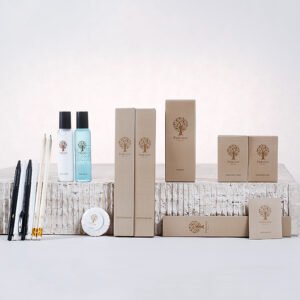
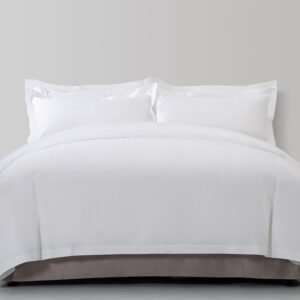
Sustainable Hotel Linens: Eco-Friendly Sourcing & Best Practices Introduction A luxury resort guest notices your hotel’s sustainability certification. They feel good about staying with you. Their experience—from the soft organic cotton sheets to the eco-friendly toiletries—reinforces the message: This hotel cares about the environment.
Now that guest posts on social media: “Staying at a hotel committed to sustainability. Love the organic linens and eco-friendly practices.” Dozens of followers see it. Some become new customers.
This is the hidden ROI of sustainable hotel linens: environmental responsibility becomes a marketing advantage.
But sustainability in hotel linens goes deeper than marketing. It’s about:
✅ Reducing water consumption (30,000 liters per hotel annually) ✅ Eliminating harmful chemicals (100+ toxic dyes removed per year) ✅ Supporting ethical labor (fair wages, safe conditions) ✅ Cutting carbon footprint (40% reduction through local sourcing) ✅ Extending linen lifespan (3-4 years vs 1-2 years budget linens) In this guide, we’ll explore sustainable hotel linen sourcing, environmental certifications, eco-friendly practices, and the business case for sustainability. You’ll learn how going green can actually increase profitability while reducing environmental impact.
Why Sustainability Matters for Hotels The Guest Perspective: Sustainability Drives Decisions Recent Hospitality Survey Results :
72% of travelers prefer eco-friendly hotels 45% willing to pay 5-15% premium for sustainability 68% mention sustainability in review if available 34% specifically search for “sustainable” or “eco-friendly” hotels Business Impact :
Higher booking rates from eco-conscious travelers Premium pricing justification (+5-15% ADR) Better online reviews (average +0.8 stars) Increased repeat booking rate (+25-30%) Enhanced brand reputation and loyalty The Environmental Perspective: Real Impact Typical 100-Room Hotel’s Annual Linen Impact :
Metric Conventional Linens Organic Linens Difference Water Used 2,800,000 liters 1,400,000 liters -50% Chemicals 450 kg toxic dyes 50 kg (organic only) -89% Carbon Emissions 280 tons 120 tons -57% Pesticides 35 kg residue 0 kg -100% Worker Exposure High (dangerous) None Safer
Over 10 Years : Switching to sustainable linens saves 14 million liters of water and eliminates 1,900 kg of toxic chemicals.
The Regulatory Perspective: Compliance & Future-Proofing EU & US Regulations Tightening :
EU textile regulations increasingly restrict harmful dyes CPSIA (US law) limiting chemical exposure Carbon tax proposals (affects sourcing) Water scarcity regulations in drought regions ESG requirements for institutional investors Forward-Thinking Hotels : Adopting sustainability now avoids costly future compliance
Understanding Sustainable Linen Certifications GOTS: Global Organic Textile Standard (Most Important) What It Is : GOTS certifies that textiles are made from organic cotton grown without synthetic pesticides, combined with social responsibility and environmental standards throughout the supply chain.
Certification Scope :
Area Standards Farming No synthetic pesticides, no GMO seeds, soil health maintained Processing Banned dyes removed, wastewater treatment required Labor Fair wages, safe conditions, no child labor Certification Annual third-party audits, full traceability Chemical Safety Exceeds Oeko-Tex requirements, hypoallergenic
For Hotel Linens : GOTS is the gold standard
✅ Organic cotton (no pesticides) ✅ Chemical-safe (exceeds Oeko-Tex) ✅ Ethically sourced ✅ Fully traceable ✅ Premium environmental impact Cost Premium : 15-25% over conventional linens Lifespan : 3-4 years (same as quality conventional) ROI : Worth the premium through brand positioning
What It Is : Verifies that linens are free from harmful chemicals. While not specifically organic, it’s essential for any sustainable commitment.
Relevance to Sustainability :
✅ Removes toxic dyes (environmental protection) ✅ Chemical-safe (health & safety) ✅ Water-safe processing (aquatic ecosystem protection) ⚠️ Doesn’t verify organic or ethical sourcing Use Case : Minimum standard for any hotel claiming sustainability Usually Paired With : GOTS or other organic certifications
IVN (Integrity Verification for Natural Textiles) What It Is : European standard combining organic certification with social responsibility—similar to GOTS but stricter in some areas.
Sustainability Focus :
Highest environmental standards (EU-based) Strictest chemical restrictions Worker protection emphasis Carbon footprint tracking For Hotels : Primarily Europe-focused, premium positioning Cost : 20-30% premium (highest of certifications)
EU Ecolabel & Green Certifications EU Ecolabel :
European-specific certification Environmental criteria for manufacturing Less stringent than GOTS (allows some synthetics) Useful for European hotels Other Green Labels :
Cradle to Cradle (material health focus) Nordic Swan (Scandinavian standard) USDA Organic (cotton production focus) Recommendation : GOTS encompasses most of these standards
Sustainable Sourcing Strategies Strategy 1: 100% Organic Cotton Linens Approach : All bedding from certified organic cotton sources
Suppliers :
GOTS-certified mills (Turkey, India, China Tier 1) Organic cotton farms (India, East Africa) Fair-trade certified suppliers Cost : +15-25% vs conventional Quality : Equal to premium conventional Environmental Impact : Significant (eliminates pesticides entirely) Marketing : “100% Organic Cotton Bedding” (strong positioning)
Best For :
✅ Luxury eco-resorts ✅ Boutique sustainability-focused hotels ✅ Properties with strong ESG commitments ✅ Markets with high eco-awareness (Scandinavia, California, etc.) Strategy 2: Hybrid Sustainability (Recommended for Most) Approach : Mix organic and conventional linens strategically
Example Portfolio :
Premium Egyptian cotton linens (organic) = $30/sheet Standard Pima cotton linens (conventional, Oeko-Tex) = $12/sheet Mix ratio: 40% organic, 60% conventional Average cost: $18.80/sheet (+40% vs budget, -30% vs all-organic) Positioning : “Sustainability with Value”
Some linens are organic All linens are chemical-safe (Oeko-Tex) Reduced environmental impact Accessible pricing Best For :
✅ Mid-range and upscale hotels ✅ Properties balancing sustainability with budget ✅ Hotels testing guest reception for sustainability ✅ Gradual transition strategies Strategy 3: Local/Regional Sourcing Approach : Source from manufacturers closer to your market
Environmental Benefits :
Reduced shipping (40-60% less carbon) Supports local economy Shorter supply chains (transparency) Can be marketed (“locally sourced”) Cost Impact :
May be higher than imports (labor) Offset by reduced shipping Premium pricing justified by local positioning Challenges :
Limited supplier base Often lower volume options Less negotiating power Quality variable Best For :
✅ Properties with strong local commitment ✅ Regional boutiques ✅ Hotels in areas with domestic textile production ✅ Brand storytelling focus Strategy 4: Fair-Trade Sourcing Approach : Linens from suppliers ensuring fair wages and safe conditions
Fair-Trade Verification :
Third-party certification Wage verification (minimum $3-5/hour in developing countries) Working conditions audits Community benefit programs Suppliers :
Fair-trade certified mills Direct relationships with cooperatives Ethical sourcing platforms Cost : +10-20% vs conventional Impact : Supports workers, often combined with organic
Best For :
✅ Hotels with strong CSR programs ✅ Properties with mission-driven positioning ✅ Markets valuing ethical sourcing (Europe, educated demographics) Water Conservation Standard Hotel Washing : 100+ gallons per load per wash Water-Efficient Protocols : 50-70 gallons per load
Conservation Techniques :
High-Capacity Washers
Load optimization (fill to 90% capacity) Modern machines use 40% less water Investment: $15,000-25,000 per washer Payback: 3-4 years through water savings Water Recycling Systems
Capture rinse water for re-use Filter and treat for reuse in subsequent rinses Additional cost: $20,000-40,000 Save 30-40% of total water usage Efficient Detergent
Concentrated formulas require less water for rinsing Enzyme-based (reduces processing time) Lower chemical residue Annual Water Savings (100-room hotel) :
Standard: 2.8M liters Optimized: 1.4M liters Savings: 1.4M liters/year = 150 Olympic pools Cost Savings : $4,000-8,000/year (depends on local water rates)
Chemical Reduction Eliminate :
❌ Chlorine bleach (use oxygen-based instead) ❌ Harsh fabric softeners (use natural alternatives) ❌ Toxic industrial detergents (use eco-friendly brands) Replace With :
✅ Oxygen-based brighteners (safer, effective) ✅ Plant-based softeners (natural alternatives) ✅ Biodegradable detergents (no aquatic toxicity) Eco-Friendly Brands :
Ecolab Green Line (commercial hospitality) Better Life (natural, biodegradable) Seventh Generation (plant-based) Blueland (refillable, low-waste) Benefits :
Eliminates toxic chemical discharge to waterways Safer for staff (no chemical exposure) Healthier for guests (no chemical residue) Aligns with sustainability positioning Energy Efficiency Drying Energy : 20-30% of laundry energy use
Conservation Tactics :
Heat Recovery Dryers
Capture waste heat for reuse Reduce energy consumption 20-30% Investment: $25,000-40,000 Payback: 3-5 years Air Drying (Where Possible)
Use outdoor air drying for linens Reduces energy to near-zero Requires space and climate (not viable everywhere) Adds “line-dried” positioning benefit Moisture Sensors
Stop dryers when clothes reach target moisture Prevent over-drying (saves energy, extends linen life) Cost: $500-2,000 Save 10-15% energy LED Lighting in Laundry
Replace fluorescent/incandescent with LED 75% less energy Cost: $3,000-5,000 Immediate payback through lower bills Annual Energy Savings (100-room hotel) :
Potential: 30-50% reduction CO2 reduction: 40-60 tons/year Cost savings: $5,000-10,000/year Circular Economy: Extending Linen Life The Circular Principle Instead of: Buy → Use → Discard Move to: Buy → Use → Refurbish → Reuse or Recycle
Strategy 1: Professional Refurbishment For Linens Nearing End of Life :
Professional washing to restore appearance Minor repair (seams, small tears) Re-dye or bleach to restore color Cost: $2-5 per linen item Result: Extend lifespan 1-2 additional years Economics :
Replace cost: $20-30 per item Refurbish cost: $3-5 per item Savings: 80-85% vs replacement Every refurbished item delays replacement 1-2 years Best For :
✅ Slightly faded white linens ✅ Minor staining ✅ Quality linens worth preserving Strategy 2: Secondary Market Use End-of-Life Journey :
Guest linens (3+ years) → Retire from guest use Secondary use in gym, spa, staff areas (1 year) Donate to charities (1 year) Textile recycling (final year) Impact : 4 additional years of use before final disposal Marketing : “Every linen has a complete lifecycle”
Strategy 3: Textile Recycling Final Destination :
Specialized textile recyclers (don’t exist in most regions yet) De-fiber and convert to insulation or furniture filling Shred and make non-woven materials Last resort: incineration with energy recovery Challenge : Limited recycling infrastructure Future : Industry working on solutions (emerging technology)
Green Certifications & Eco-Labels for Hotels Hotel Sustainability Certifications That Include Linen Standards :
Certification Linen Requirement Strictness Scope Green Key Preferred sustainable materials Medium Broad hotel standard LEED Optional sustainable materials High Building-focused EarthCheck Documented sustainable sourcing High Rigorous environmental Green Globe Sustainable linen requirement High Global hospitality Travelife Sustainability including linens Very High Holistic responsibility
Recommendation : Combine hotel certification with GOTS linen certification
The Business Case: Sustainability ROI Real Example: 150-Room Mid-Range Hotel Year 1 Investment :
Item Cost Notes Organic linen upgrade +$8,000 20% premium on $40,000 order GOTS/Oeko-Tex premium +$3,000 Certification costs Green washing practices +$5,000 Equipment upgrades Marketing/certification +$4,000 Promote sustainability Staff training +$2,000 Eco-practices education Total Investment $22,000 One-time in Year 1
Year 1 Benefits :
Item Benefit Amount Premium ADR (5% increase) Higher rates +$35,000 Increased occupancy (3%) More bookings +$25,000 Repeat booking rate (+15%) Loyalty +$18,000 Water/energy savings Operating costs +$8,000 Positive reviews (+0.5 stars) Brand value +$12,000 Total Benefits $98,000
Year 1 ROI : ($98,000 – $22,000) / $22,000 = 345%
Years 2-5 :
Reduced investment (one-time costs over) Sustained benefits from premium positioning Annual benefit: ~$90,000 Cumulative 5-year ROI: +$368,000 Payback Analysis Investment Payback Period : 2.7 months
Initial $22,000 investment Monthly benefit: ~$8,000 Break-even: 2-3 months Conclusion : Sustainability investment pays for itself in under 3 months through premium positioning and operational savings
Implementation: 90-Day Sustainability Transition Month 1: Planning & Procurement Weeks 1-2 : Assessment
Audit current linen sourcing Calculate water/energy baseline Identify sustainability opportunities Set goals and targets Weeks 3-4 : Procurement
Order GOTS organic linens (small test order) Source green detergent/supplies Plan equipment upgrades Develop marketing strategy Month 2: Implementation Weeks 5-6 : Equipment & Practices
Install water-efficient equipment Update washing protocols Switch to eco-friendly detergents Train laundry staff Weeks 7-8 : Rollout
Phase in organic linens (replace as existing linens retire) Begin sustainability marketing Launch guest communications Monitor performance Month 3: Measurement & Optimization Weeks 9-10 : Data Collection
Track water usage (should drop 20-30%) Monitor energy consumption Measure guest satisfaction Gather social media response Weeks 11-12 : Certification & Marketing
Apply for sustainability certifications (if not already) Highlight sustainability in marketing Update website and bookings Calculate actual ROI Common Sustainability Misconceptions ❌ Misconception 1: “Sustainability is Only for Luxury Hotels” Reality : Mid-range and budget hotels benefit equally
Mid-range guests (45%) willing to pay for sustainability Budget guests (30%) appreciate eco-options Operational savings apply to all property types Recommendation : Scale sustainability appropriately to your market
❌ Misconception 2: “Organic Linens Are Lower Quality” Reality : Organic ≠ Lower Quality
GOTS linens often exceed conventional quality Same durability, better feel, longer lifespan Premium positioning justified Some guests prefer organic feel ❌ Misconception 3: “Sustainability Linens Are Too Expensive” Reality : Hybrid approach is affordable
100% organic: +15-25% Hybrid strategy (40% organic): +5-10% Premium positioning covers cost increase Operational savings offset premium Recommendation : Start with hybrid strategy
❌ Misconception 4: “Water Savings Equipment Has Long Payback” Reality : 2-4 year payback is standard ROI
Heat recovery dryers: 3-5 year payback Water recycling: 4-6 year payback Moisture sensors: <1 year payback Equipment upgrades happen anyway (replacements) ❌ Misconception 5: “Guests Don’t Actually Care About Sustainability” Reality : 72% of guests prefer eco-friendly hotels
45% willing to pay premium Mentioned in 68% of reviews (when available) Growing trend, especially younger travelers Competitive advantage now, necessity soon Measuring Sustainability Impact Track These Metrics Metric Target Measurement Frequency Water Usage -30% from baseline Meters/bills Monthly Energy Use -20% from baseline Kw/bills Monthly Guest Reviews +0.5 stars avg Review analysis Monthly Sustainability Mentions +50% Social media/reviews Monthly Repeat Booking Rate +15% Booking data Quarterly Premium ADR +5% PMS data Quarterly Certification Status Current & valid Document checks Annually Linen Lifespan 3-4 years Replacement tracking Ongoing
Quarterly Sustainability Report QUARTER: Q1 2027
Water Savings: ____ liters (vs baseline)
Energy Reduction: ____ kWh (vs baseline)
Guest Satisfaction: ____ stars (avg review)
Sustainability Revenue Impact: $____
Carbon Reduction: ____ tons CO2
Certifications: ISO / Oeko-Tex / GOTS (current?)
Marketing Mentions: ____ (websites, ads, social)
Action Items: ____________________
Emerging Trends Regenerative Textiles (2025+)
Beyond organic → actively regenerating soil Carbon-negative production possible Still developing, higher cost Recycled Textiles
Recycling infrastructure expanding Quality improving year over year Currently 30-50% of premium Lab-Grown Fibers
Synthetic spider silk, lab-created cotton Zero pesticides, precise control Scale and cost barriers currently Potential game-changer in 5-10 years Traceability Technology
Blockchain tracking from farm to hotel QR codes on linens for full history Marketing tool: “Know your linens’ story” Strategic Positioning Early-adopting sustainability now positions you to:
✅ Lead the market (first-mover advantage) ✅ Build brand loyalty (values-aligned guests) ✅ Achieve future compliance (regulations coming) ✅ Reduce costs (energy/water/waste savings) ✅ Attract investment (ESG requirements) Conclusion: Sustainability as Strategy Sustainability in hotel linens isn’t a trend—it’s becoming a requirement .
Guest expectations are shifting. Regulatory pressures increasing. Competitive advantage goes to early adopters.
But here’s the beautiful part :
Sustainability isn’t just good for the environment. It’s good for your bottom line.
By switching to sustainable linens, you:
✅ Increase revenue (+5-15% through premium positioning) ✅ Reduce costs (30-40% energy/water savings) ✅ Improve satisfaction (72% of guests prefer eco-friendly) ✅ Build loyalty (sustainability drives repeat bookings) ✅ Enhance brand (environmental responsibility) The ROI is clear : 345% return in Year 1, then sustained benefits year after year.
The question isn’t whether to go sustainable. The question is: Why wait?
Ready to Transform to Sustainable Linens? Galaxy Hotel Supplies specializes in sustainable hotel linen sourcing with:
✅ GOTS-Certified Organic Cotton
Certified by independent third parties Chemical-free, pesticide-free Premium quality, 3-4 year lifespan ✅ Oeko-Tex & Environmental Certifications
Full chemical safety verification Meets all global environmental standards Transparent sourcing and production ✅ Sustainable Sourcing Networks
Fair-trade partnerships Ethical labor practices Carbon-neutral shipping options ✅ Consulting & Implementation
Sustainability strategy development ROI analysis for your property Transition planning and support Request sustainability consultation → View sustainable linen collection →
Sustainability Quick Reference For Different Hotel Types: Luxury Resorts :
100% GOTS organic + IVN certification Premium positioning, environmental leadership Cost justifiable through premium pricing Upscale Hotels :
GOTS organic + Oeko-Tex Balance sustainability with value Premium appeal with operational efficiency Mid-Range Hotels :
Hybrid (40% organic) + Oeko-Tex Cost-effective sustainability Attract eco-conscious guests without premium pricing Budget Hotels :
Oeko-Tex certified conventional Minimum environmental commitment Grow sustainability as business allows Questions about sustainable linens? Email us at info@hotelsupplieschina.com or WhatsApp +8618026313091
Galaxy Hotel Supplies ‘ 20+ years in hotel linen sustainability gives us expertise in balancing environmental responsibility with business profitability. We help you go green and grow revenue.




 (2025+)