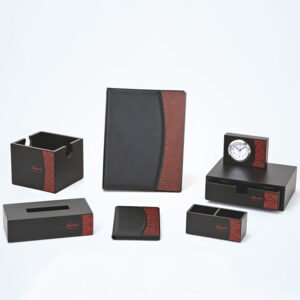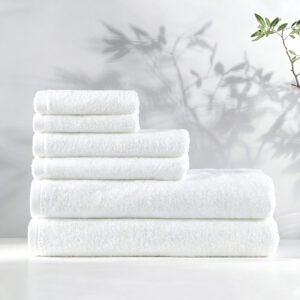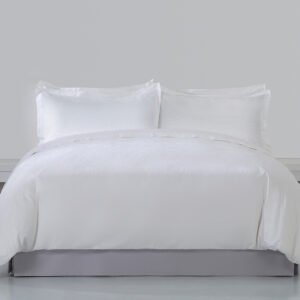
One-Stop Hotel Supply Sourcing: Buying Linens and Room Supplies Together
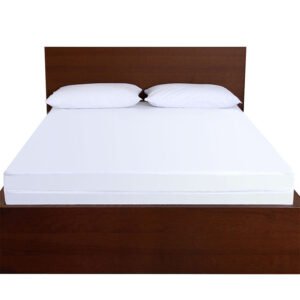
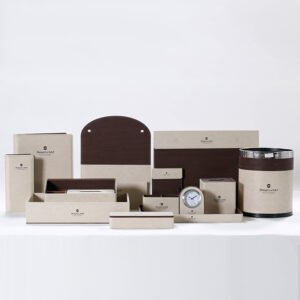
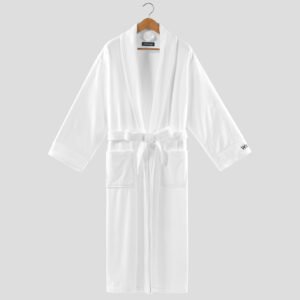
One-stop hotel supply sourcing explained: consistent specifications, matching colors, simpler communication, and trade-offs. A planning checklist for room setup projects.

Most hotel linen guides focus on guest rooms: sheets, towels, and duvets. But the restaurant, bar, and banquet hall use a separate set of textiles, and they are often chosen in a rush. A tablecloth that looks fine on a sample table can wrinkle, stain, or fade after a few weeks of service. A napkin that feels soft in the showroom can shrink or pill in a commercial kitchen laundry.
Food and beverage linens face different pressures than guest room linens. They meet spills, grease, red wine, and heat. They are often visible at close range and photographed. They also need to fit specific table sizes, and mismatched sets stand out quickly.
This guide covers the main items in food and beverage linen, how to choose fabrics and sizes, what to test before ordering, and how to plan inventory for restaurants and banquet halls.
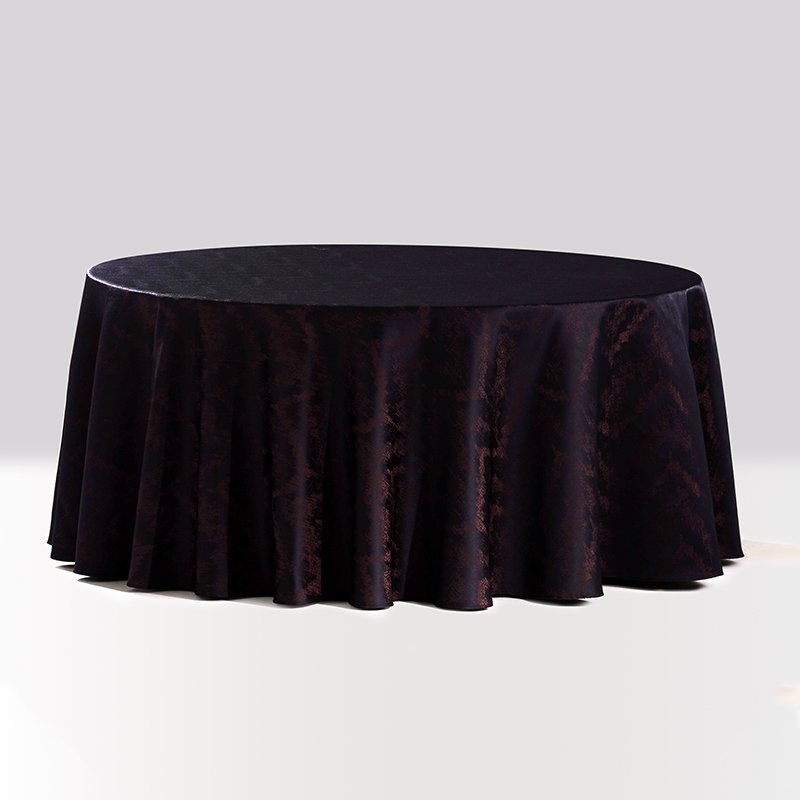
Tablecloths come in several forms: full-length cloths that hang to the floor, shorter cloths that stop at the table edge, and overlays that sit on top of a base cloth. Most hotels use a base cloth in a neutral color, with colored overlays or runners for events.
Practical sizing notes:
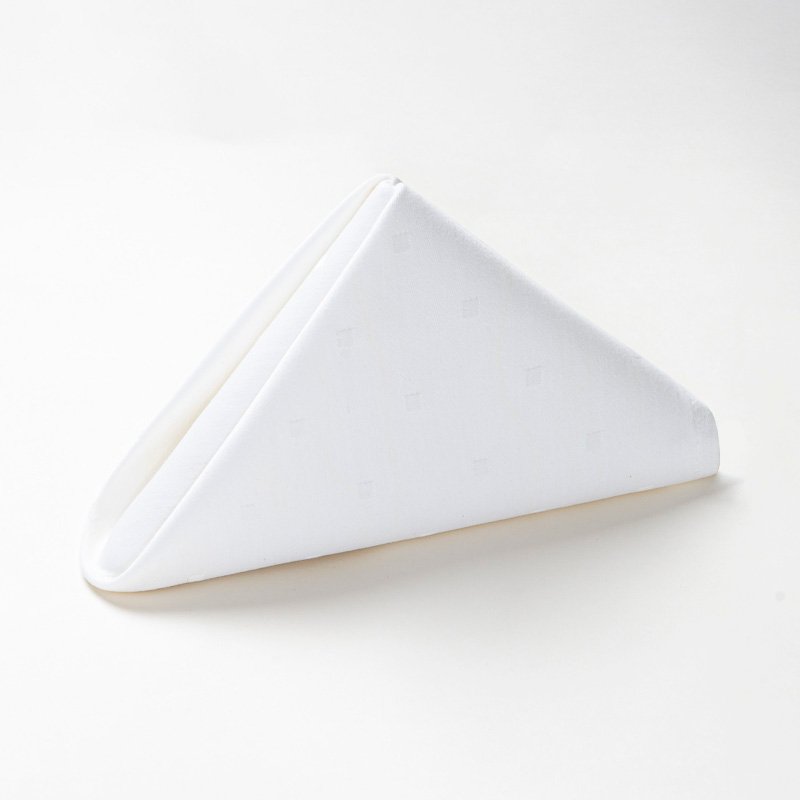 Napkins
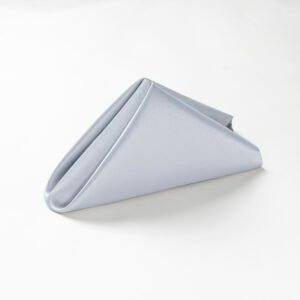
 are the highest-volume item in most food and beverage operations and the easiest to lose track of. Standard sizes are often square, with dimensions chosen to suit the table setting and the folding style.
What to check:
Table skirting is the fabric that covers the legs or the base of a table, usually at banquets and events. It is often pleated or gathered.
Considerations:
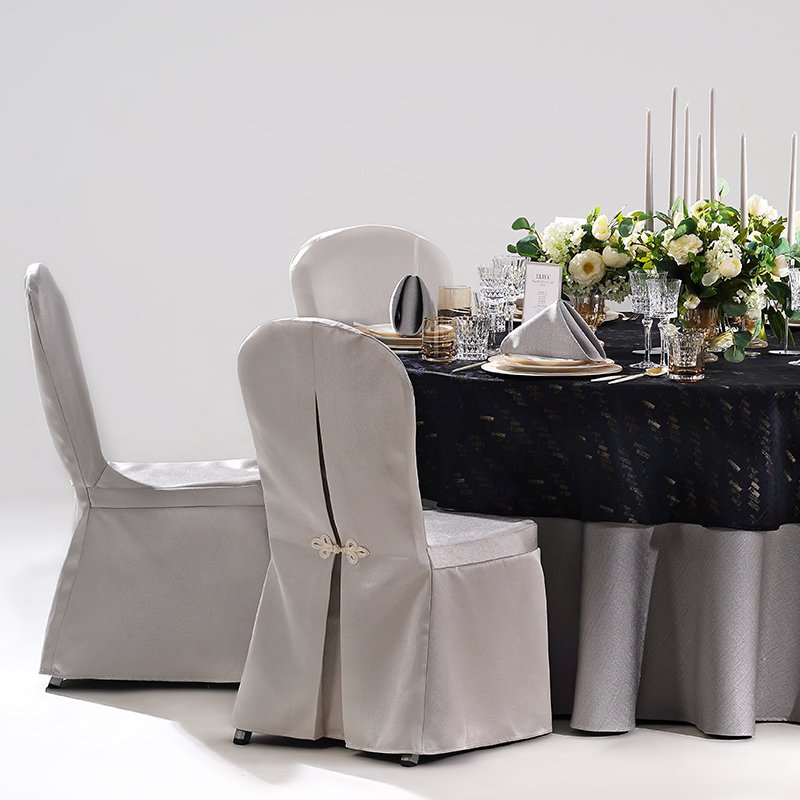 Chair Covers and Sashes
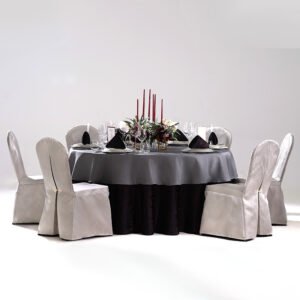
Chair covers and sashes are used mainly for events. They are often sold as sets with matching colors and can be a significant part of a banquet budget. Because they are handled frequently and set up quickly, durability and ease of folding matter more than they do for tablecloths.
Table runners and overlays add color and texture without replacing the base cloth. They are useful for changing a room’s look between seasons or events while keeping the base inventory unchanged.
Food and beverage linens are typically made from cotton, polyester, or cotton-polyester blends. Each choice affects appearance, stain resistance, and laundering.
| Fabric | Strengths | Trade-offs |
|---|---|---|
| Cotton | Natural feel, drapes well, comfortable to handle | Wrinkles more, shrinks more if not pre-shrunk, can stain more easily |
| Polyester | Resists wrinkles and shrinkage, holds color well, lower cost | Less breathable feel, can look shinier, may hold odor if not laundered well |
| Cotton-polyester blend | Balances appearance, drape, and durability | Performance depends on the blend ratio; ask for it in writing |
Blend ratios are often written as percentages, such as 65% polyester and 35% cotton. Ask the supplier to confirm the ratio on the spec sheet, and check that the label on the delivered goods matches.
Some hotels choose polyester for banquets, where durability and cost matter most, and cotton blends for fine dining, where drape and feel matter more. Neither choice is universally better. The right answer depends on the room, the guest profile, and the laundry process.
Color is where restaurant linen problems most often appear. A few practices prevent them:
Restaurant and banquet linens are usually planned by the number of tables and seats, not by room count. A simple planning method:
Example (illustrative only):
A restaurant has 20 round tables and 10 rectangular tables. It serves two sittings per day and sends linens to a laundry with a two-day turnaround. Assuming one tablecloth per table per sitting, plus a 15% spare, the planning looks like this:
| Table Type | Count | Sittings per day | Cloths needed per day | With 15% spare (example) |
|---|---|---|---|---|
| Round | 20 | 2 | 40 | 46 |
| Rectangular | 10 | 2 | 20 | 23 |
Because the laundry turnaround is two days, the hotel must hold enough stock to cover the days between collections. Multiply the daily need by the number of days between laundry cycles, then add spare, to find the minimum stock. These numbers are examples. Your real figures depend on how many sittings you run, how quickly your laundry returns linens, and how often you host events.
Restaurant linens are often soiled with grease, food residue, and tannin-based stains such as red wine and tea. A laundry process that works for guest room towels may not be enough.
Practical steps:
For cotton-polyester blends, ask the laundry whether a lower drying temperature or a shorter cycle is recommended to protect the fabric.
Buying tablecloths before measuring tables. Measure every table type first. A cloth that is one size too small looks unprofessional.
Mixing dye lots. A set that looks uniform on delivery can show visible differences once two lots are placed side by side.
Choosing a fabric for appearance only. A tablecloth that looks elegant may wrinkle or stain quickly in a busy restaurant.
Forgetting the spare. Without spare stock, a single stain can take a table out of service for a full day.
Skipping the washed sample. Shrinkage and color loss often appear only after laundering.
Not every operation should buy its own food and beverage linen. Some events and seasonal operations may be better served by rental programs or, for certain items, disposable alternatives. Compare the cost of purchasing, laundering, storing, and replacing linens against the cost of rental for each event type before deciding.
Galaxy Hotel Supplies can discuss tablecloths, napkins, table skirting, chair covers, and runners for hotel restaurants and banquet halls. Before placing an order, we recommend:
Because specifications and documentation vary by product, please request current information for any item you plan to purchase.
Request restaurant linen samples → Browse hotel linen products →
Questions about restaurant or banquet linens? Email us at info@hotelsupplieschina.com
One-stop hotel supply sourcing explained: consistent specifications, matching colors, simpler communication, and trade-offs. A planning checklist for room setup projects.

Manufacturer, trading company, or integrated factory-trader? Learn how each model affects quality, customization, lead time and accountability, and what to ask before you buy.

Hotel spa linens explained: massage table sheets, treatment towels, robes, and pool linens. Fabric, fit, lint, hygiene, and a checklist for approving samples.

In-house vs outsourced hotel laundry compared: volume, turnaround, space, staffing, quality control, and total cost per item. A framework and checklist for deciding.